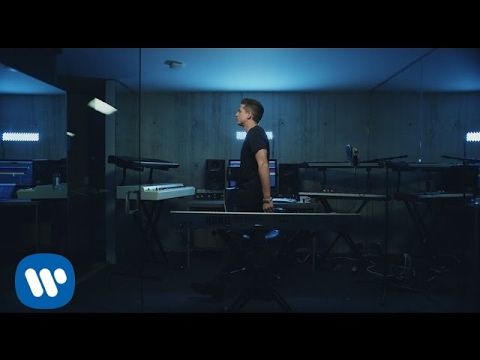
In the landscape of modern pop, few songs capture the frustrating dance of post-breakup emotional manipulation quite like Charlie Puth's 2017 hit, "Attention." It's a track that resonated deeply with listeners because it articulated a universally recognized, albeit often unspoken, dynamic: the ex-partner who lingers, not out of genuine desire for reconciliation, but purely to gauge their enduring impact. Puth’s sleek production and undeniable vocal hooks might draw you in, but it’s the lyrical honesty, steeped in a raw mix of frustration and self-awareness, that truly makes "Attention" a standout piece of modern relationship commentary.
The Subtle Art of Playing Games
At its heart, "Attention" is a narrative of recognition. The singer, presumably Puth himself, is grappling with an ex-partner who consistently finds ways to re-enter his orbit, yet never commits to actually coming back. This isn't about love or even lingering affection in the traditional sense. It’s about power, validation, and the toxic allure of knowing you still matter to someone who once mattered deeply to you.
The song opens with an almost bewildered observation of this cyclical behavior:
You just want attention, you don't want my heart
Maybe you just hate the thought of me with someone new
Yeah, you just want attention, I knew all along
You just want attention, I knew all along
These lines immediately cut to the chase, laying bare the central conflict. The ex isn't interested in a deep emotional connection, or even Puth's "heart." Instead, their motives are superficial, driven by ego and a desire to remain relevant in his life. The repeated "I knew all along" suggests a slow, painful dawning of truth, rather than an instant revelation. It's the sigh of someone who's tired of the charade.
The Push-and-Pull of False Hope
What makes the situation so insidious is the mixed signals the ex sends. Puth describes a calculated effort to provoke a reaction, making it incredibly difficult for him to move on. This isn't just about showing up, it's about how they show up, specifically designed to catch his eye and stir up old feelings.
You've been runnin' 'round, runnin' 'round, runnin' 'round throwin' that dirt all on my name
'Cause you knew that I, knew that I, knew that I'd call you up
And you've been runnin' 'round, runnin' 'round, runnin' 'round throwin' that dirt all on my name
'Cause you knew that I, knew that I, knew that I'd call you up
The lyrics paint a picture of someone deliberately creating drama or spreading rumors, knowing full well it would provoke the narrator to reach out. This is a classic manipulation tactic: create chaos, then play the victim or the detached party, while secretly enjoying the attention gained. It highlights the ex's need to control the narrative and, by extension, Puth's emotional state.
This dynamic extends beyond verbal provocations to physical presence as well.
I know that dress is 2000 liras
Even if it's see-through, you don't care
But it's just to get attention
You just want attention, you don't want my heart
Here, Puth addresses the performative aspect of the ex's actions. The expensive dress, the provocative style – it's all part of a calculated performance. It’s not about feeling good themselves, but about eliciting a reaction from him, confirming they still possess the power to make him look, to make him wonder. It’s a bold statement about understanding the superficiality of their intentions.
The Emotional Toll and Realization
The genius of "Attention" lies in Puth’s portrayal of his own struggle with this manipulation. He isn't a passive observer; he's a participant, initially drawn into the game before finally seeing it for what it is. The song captures the internal conflict of wanting to believe in something more, while simultaneously knowing the bitter truth.
The chorus serves as an emotional anchor, a moment of recurring clarity amidst the confusion:
You just want attention, you don't want my heart
Maybe you just hate the thought of me with someone new
Yeah, you just want attention, I knew all along
You just want attention, I knew all along
This repeated realization transforms from a question to a statement of fact. It’s a declaration of self-preservation, recognizing that his own emotional well-being is at stake. The ex’s fear of him moving on ("hate the thought of me with someone new") is a powerful insight into their possessive, rather than loving, motivation. It’s not about desiring Puth himself, but about preventing anyone else from having him.
By the song's end, there’s a sense of weary acceptance. Puth understands the game, even if he hasn't fully escaped its gravitational pull. He's no longer naive; he's armed with the painful knowledge that the ex's actions are less about genuine connection and more about a desperate need for validation.
Conclusion
"Attention" by Charlie Puth is more than just a catchy pop song. It's a sharp, insightful commentary on the subtle, often painful, dynamics of post-breakup interactions. It speaks to anyone who has ever felt like they were being played, who has recognized the difference between genuine affection and a hunger for validation. Through its candid lyrics and Puth’s emotive delivery, the song offers both a commiseration and a cautionary tale, urging listeners to distinguish true connection from mere attention-seeking. It’s a testament to the fact that sometimes, the hardest part of moving on isn't letting go of the person, but letting go of the ghost they refuse to put to rest.
FAQ
What is the main message of Charlie Puth's "Attention"?
The main message of "Attention" is about recognizing and calling out an ex-partner's manipulative behavior, particularly their tendency to seek validation and attention rather than genuinely wanting to reconcile or move on. It highlights the frustration of being drawn into emotional games.
What inspired Charlie Puth to write "Attention"?
Charlie Puth has mentioned that "Attention" was inspired by his real-life experiences with a woman after a breakup. He explained that she would consistently find ways to regain his focus, making him realize she wasn't interested in his heart but merely in his "attention" and the power dynamic of still having a hold over him.
What does the line "You just want attention, you don't want my heart" mean?
This line is the core thesis of the song. It means that the ex-partner's actions and presence in the narrator's life are not driven by love, affection, or a desire for a genuine romantic relationship ("my heart"). Instead, their motivation is superficial – to provoke a reaction, confirm their continued relevance, and satisfy their ego by receiving the narrator's "attention."
Is "Attention" a breakup song?
Yes, "Attention" can be considered a post-breakup song, but it's more specifically about the messy aftermath of a breakup. It explores the challenges of moving on when an ex continues to interject themselves into your life, highlighting the psychological games and manipulative tactics that can occur long after a relationship has officially ended.
How does "Attention" reflect modern dating culture?
"Attention" reflects modern dating culture by addressing themes of seeking validation, the difficulty of cutting ties completely, and the performative aspects of interactions (e.g., using social media or public appearances to elicit a reaction). It captures a common frustration in today's relationship landscape where emotional boundaries can become blurred and ego often plays a significant role.