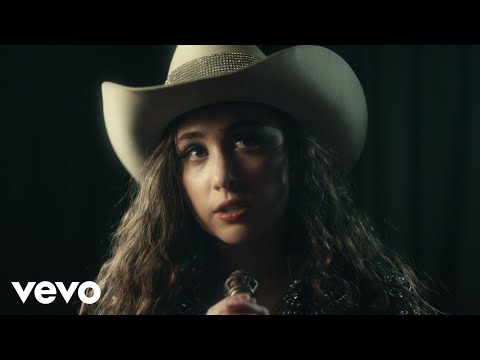
"Pink Pony Club" isn't just a song; it’s an anthem of disillusionment and self-discovery wrapped in a shimmering pop package. Chappell Roan, with her signature blend of theatricality and vulnerability, paints a vivid picture of escaping small-town expectations only to find that the promised land might not be all it's cracked up to be. The song resonates because it taps into a universal desire for something more, followed by the often harsh realization that "more" isn't always better, and that genuine fulfillment comes from within.
Leaving Small Town Life Behind
The song opens with a yearning for escape, a sentiment familiar to anyone who's ever felt stifled by their surroundings. Roan sings, "Mama said don't go, baby, it's a trap / Daddy said all the girls are doin' crack." These lines immediately establish the conservative, fearful environment she's desperate to leave behind. It's a world of cautionary tales and limited horizons.
Roan isn't just seeking a change of scenery; she’s craving a space where she can be her authentic self, free from judgment and societal constraints. The promise of the "Pink Pony Club" represents this idealized freedom, a place where she believes she can finally belong. The repetitive, almost hypnotic quality of the pre-chorus ("Ooh, what you gonna do? / Ooh, gonna break on through") underscores the intoxicating pull of this new life.
The Allure and Reality of the Pink Pony Club
The chorus explodes with the vibrant imagery of the Pink Pony Club: "It's all glitter and glamour / Cigarettes and champagne." This initial impression is dazzling and alluring, everything the small town is not. However, the lyrics quickly introduce a darker undercurrent. "All the boys want to use you / And the girls are all the same," she sings, revealing the superficiality and potential exploitation lurking beneath the surface.
The Pink Pony Club, it turns out, isn't the sanctuary Roan initially imagined. It's a place where validation is fleeting and often conditional, based on appearances and perceived desirability. The promise of acceptance is there, but it comes at a price.
The Price of Freedom and the Search for Self
The second verse delves deeper into the emotional toll of this lifestyle. "Now I'm dancing on the tables / Hoping someone will pay me / For a little bit of loving / For a little bit of fame." These lines are heartbreakingly honest. Roan exposes the vulnerability behind the performative glamour, the desperation for connection and recognition masked by the facade of confidence. She acknowledges the transactional nature of the relationships within the Pink Pony Club, where affection and attention are commodities to be bought and sold.
The repetition of "I thought I wanted this" highlights the central conflict of the song. Roan grapples with the dissonance between her initial expectations and the reality of her situation. The freedom she sought has become a different kind of cage, one built of expectations and superficiality. This leads to the profound realization that external validation cannot replace internal self-worth.
Finding Meaning Beyond the Glitter
Ultimately, "Pink Pony Club" is not just a critique of a specific subculture, but a broader commentary on the pursuit of happiness and the importance of self-acceptance. Roan's journey is one of disillusionment, but also of growth. She learns that true freedom isn't found in external validation or escaping one's roots, but in embracing one's authentic self, even when that self doesn't fit neatly into any predefined box. The song serves as a cautionary tale, urging listeners to look beyond the surface glitter and glamour and find genuine meaning and purpose in their own lives.
Frequently Asked Questions
What is the "Pink Pony Club" a metaphor for? The "Pink Pony Club" represents a world of superficial glamour and fleeting validation, often associated with the pursuit of fame and acceptance at any cost. It's a metaphor for environments where authenticity is sacrificed for external approval.
What is the main message of the song? The main message revolves around the disillusionment that can come from chasing an idealized version of freedom and the importance of finding self-worth independent of external validation. It emphasizes the need to look beyond superficiality and seek genuine meaning in life.
How does Chappell Roan use imagery in "Pink Pony Club"? Chappell Roan uses vivid imagery of glitter, glamour, cigarettes, and champagne to create a contrasting picture of allure and decay. This imagery reflects the superficial appeal of the "Pink Pony Club" while hinting at the underlying emptiness and potential for exploitation.
What is the emotional tone of the song? The emotional tone is a blend of yearning, excitement, disillusionment, and ultimately, self-awareness. It captures the initial thrill of escaping small-town life, followed by the disappointment of finding that the promised land isn't as fulfilling as expected.
Does the song have a positive or negative message? While the song explores themes of disillusionment and the darker side of seeking external validation, it ultimately carries a positive message. It encourages listeners to prioritize self-acceptance and authentic connection over superficial appearances and fleeting fame.