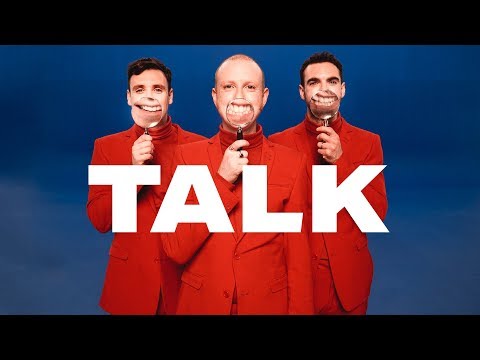
In an era saturated with digital chatter and fleeting interactions, Two Door Cinema Club's "Talk" emerges as a surprisingly profound anthem for the modern age of communication breakdown. Beneath its signature indie-dance rhythms and infectious synths, the song grapples with a deeply human dilemma: the intense yearning for genuine connection contrasted with the pervasive fear of vulnerability and the overwhelming noise of everyday life. It’s a track that perfectly encapsulates the paradox of being constantly connected yet feeling utterly alone, making it resonate with anyone who’s ever scrolled through social media feeling both engaged and disconnected at the same time.
youtube.com/watch?v=Zsaz72OBT9s
The Echo Chamber of Modern Connection
From its opening lines, "Talk" sets up an immediate tension. The initial assertion feels almost like a defense mechanism, a pre-emptive strike against the potential messiness of deep interaction:
We don't need to talk
We don't need to know
We don't need to feel it
This sentiment speaks volumes about contemporary relationships, both romantic and platonic. In a world where casual encounters and surface-level interactions are often preferred, there's a perceived ease in avoiding the heavier lifting of true emotional exchange. It’s a way of protecting oneself, of keeping boundaries up in a culture that can sometimes feel overly intrusive or judgmental. The lines suggest a collective agreement to stay in the shallow end, avoiding the depths where real feelings might reside.
However, Two Door Cinema Club quickly punctures this facade. The very next lines betray an undeniable curiosity, a longing that cannot be fully suppressed:
But I can see you from the corner of my eye
And I wanna know just what you're thinking
This is where the song truly shines, capturing the bittersweet reality of wanting to keep things light while an undeniable human desire for understanding tugs at your consciousness. It’s the late-night scrolling through someone’s profile, the casual glance across a room, the unspoken questions that linger in the air. The internal conflict is palpable, highlighting the struggle between emotional self-preservation and the innate human need to truly know and be known.
The Superficiality of the "Moment"
A particularly poignant lyrical thread in "Talk" critiques the performative aspect of modern existence, especially prevalent in the age of social media where everyone is curating their lives for an audience:
Living in the moment and the moment is a lie
Is it all too much for you to handle?
Is it all too much to ever try?
This speaks to the pressure to always appear happy, successful, and present, even when reality tells a different story. The "moment" becomes a carefully constructed illusion, a highlight reel rather than an authentic experience. This superficiality leads to questions of emotional capacity: Is the effort required for genuine connection simply too overwhelming? Has the ease of disengagement made us collectively less willing to truly "try"? It’s a reflection on the mental load of navigating modern social dynamics, where the simple act of genuine engagement can feel like an immense undertaking.
The song cleverly points out that while we might be "talking" constantly through texts, DMs, and comments, the quality of this interaction is often lacking:
It's just talk, talk, talk
But no one ever listens
This is the core frustration. Communication has become abundant, but deep listening, empathy, and understanding are scarce commodities. We're all shouting into the void, or perhaps, simply shouting past each other. This creates a sense of isolation even amidst a flurry of activity, leaving individuals feeling unheard and disconnected despite the constant stream of digital notifications.
The Raw Desire for Intimacy
Despite the cynical observations and protective barriers, the song never loses sight of the fundamental human need for connection. Amidst the swirling synths and insistent beat, a vulnerable plea emerges:
I just wanna hold you and be held
This line cuts through all the noise and performative chatter, revealing the simple, raw longing at the heart of the human experience. It’s a desire for physical and emotional intimacy that transcends the complexities of modern dating and social anxieties. This makes "Talk" not just a critique, but also a lament—a wistful expression of what we truly crave, even as our behaviors often push it away.
"Talk" by Two Door Cinema Club is a beautifully crafted lyrical exploration of our contemporary struggle with communication and intimacy. It captures the anxiety of wanting to connect but fearing the vulnerability, the frustration of surface-level interactions, and the yearning for something more profound. The band manages to embed this emotional depth within a catchy, energetic track, proving that even the most danceable indie anthems can carry significant weight and cultural commentary. It’s a song that compels us to look beyond the "talk" and perhaps, finally, start listening.
FAQ
What is the main message of "Talk" by Two Door Cinema Club?
The main message of "Talk" explores the paradox of modern communication: the intense desire for genuine connection contrasting with the fear of vulnerability, the overwhelming nature of social interactions, and the superficiality of much contemporary dialogue. It highlights how people "talk" a lot but often fail to truly listen or connect.
How does "Talk" reflect modern society?
"Talk" reflects modern society by addressing themes like digital communication overload, the curated nature of online personas, and the anxieties associated with forming deep relationships in a fast-paced, often superficial world. It captures the feeling of being constantly connected yet emotionally isolated.
What emotions does "Talk" evoke?
"Talk" evokes a mix of emotions including frustration, longing, anxiety, and a touch of wistful resignation. It expresses the internal conflict of wanting intimacy while simultaneously putting up defenses, creating a sense of bittersweet longing.
Are the lyrics of "Talk" optimistic or pessimistic?
The lyrics of "Talk" lean more towards a pessimistic or realistic outlook, pointing out the struggles and superficiality in modern communication. However, the underlying desire for connection, as expressed in lines like "I just wanna hold you and be held," offers a glimmer of hope or at least a candid acknowledgement of what's truly missing.
What is the cultural significance of the line "Living in the moment and the moment is a lie"?
This line carries significant cultural weight as it critiques the pressure to always appear "present" and happy, especially in the age of social media. It suggests that many of the experiences we share or witness are curated illusions, lacking genuine authenticity and leading to a sense of disconnect from reality.